
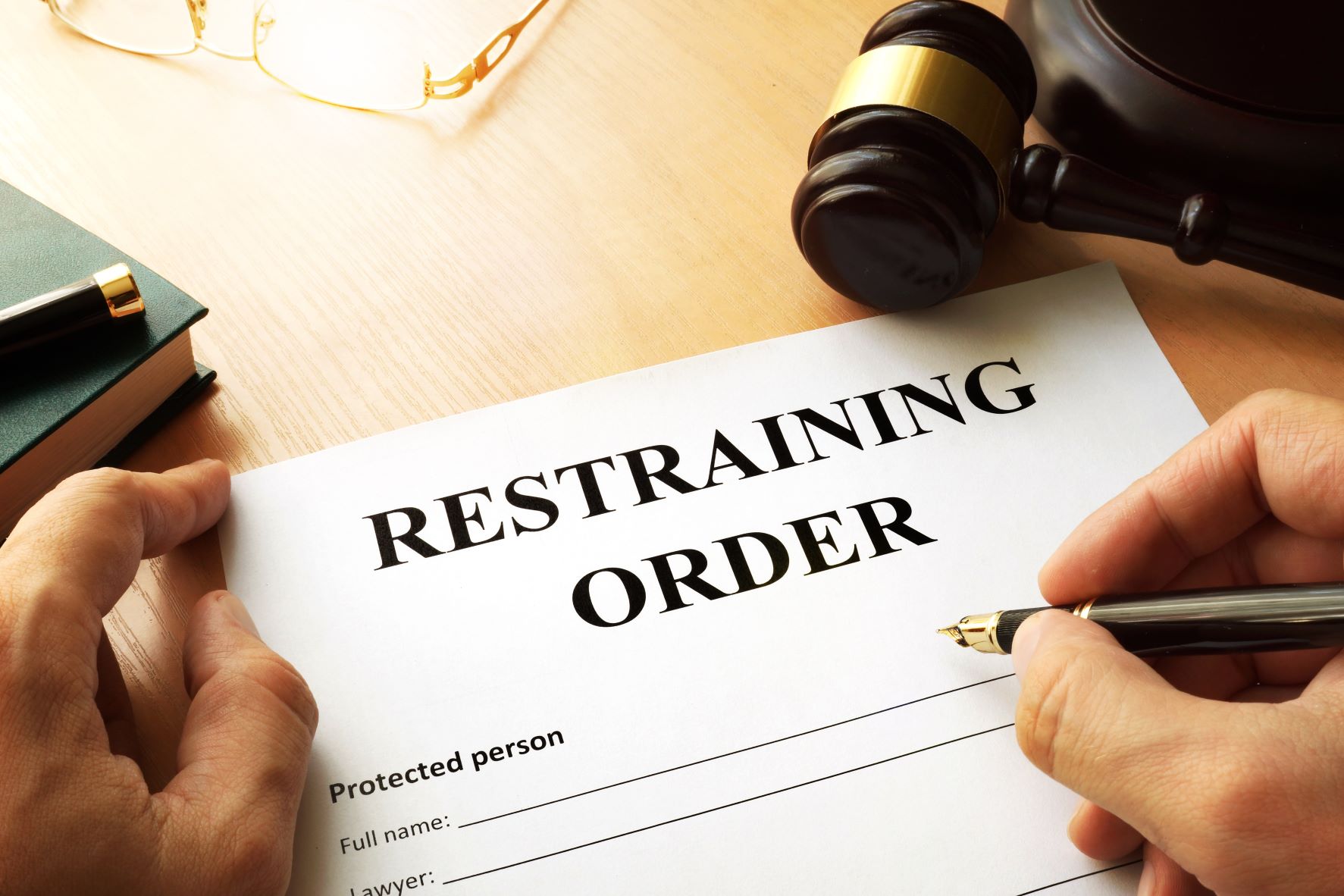
Will Harassment or Restraining Order Charges Impact Job Opportunities?
Background checks are often executed as a part of the hiring process. Being charged with offenses, whether they’re minor or major, can greatly impact one’s chances of finding a job. If you have been charged with harassment or have a restraining order filed against you, it’s likely that it will stay on your record for good. However, that doesn’t mean that all doors for employment have been closed.
If you’ve been charged in the past, then Brennan Law offices assist you in securing job opportunities despite the required background check. We believe that everyone deserves a chance at employment, regardless of their record. That’s why we’re offering services to help charged individuals secure stable jobs.
What Job Opportunities Are Available for Charged Individuals?
There are many careers in various fields that hire individuals charged as a part of their work personnel. You can potentially secure a career in the following fields:
- Technology
- Food Service
- Manufacturing
- Delivery
- Construction
- Self-Employment
- Freelance Work
How Our Services Can Help Charged Individuals
Secure a Stable Career
Having harassment or a restraining order on your record can greatly influence your opportunities in terms of your career. At Brennan Law Offices, we understand that there are two sides to every story. While we sympathize with the victims, we will also exert the best of our efforts to assist charged individuals in achieving the best outcome for them. Through our services, individuals charged with harassment or restraining orders can obtain stable job opportunities and progress in their careers.
Keep Charges Confidential
Brennan Law Offices offers expungement services. Expungement allows a charged individual to hide their criminal record from the public, as long as it is approved by the court. This means that their criminal record cannot be disclosed to any potential employers, educational institutes, landlords, and other similar individuals or establishments. By gaining a court-approved expungement, charged individuals gain access to a clean slate and a fresh start, opening up more opportunities, even if they were charged with harassment or a restraining order.
Gives Charged Individuals a New Start
Certain individuals are charged with harassment or restraining orders during their youth. Juvenile delinquency is often involved when minors are involved in various offenses, such as gang activity, assault, and vandalism. Our juvenile delinquency services ensure that mistakes made in an individual’s youth will not define who they are in the future, nor will they hinder their opportunities for employment. Whether an individual was charged during their youth or in adulthood, our team at Brennan Law Offices will ensure that they will receive the best possible outcome.
The Best Legal Services in Philadelphia
If you are in need of legal assistance as you search for employment, then Brennan Law offices can provide you with the services you require to advance in your career. Are you looking for a criminal attorney in Philadelphia, PA? No matter the legal needs, don’t hesitate to contact us.
Read More

What Is A Strict Liability Crime?
A strict liability crime is one that is classified as a criminal activity regardless of what someone’s intentions were. Even if you did not have criminal intentions, you can still be charged with a crime. You need to hire a capable criminal defense attorney if you have been accused of a strict liability crime.
What Are Examples of A Strict Liability Crime?
Statutory Rape
This is a crime that occurs when a person has sex with an underage person. You could be charged with a crime even if you were unaware of the fact the person was underage. It also does not matter if the underage person consented to the act. Additionally, it is possible for you to be charged with a crime if you intended to have sex with the underage person, but you did not carry out the actual act.
You Sell Alcohol to an Underage Person
It is illegal for anyone to sell alcohol to someone who is under the age of 21. It doesn’t matter if you believed the person was at least 21-years-old.
Traffic Offenses
The vast majority of traffic offenses are classified as strict liability crimes. If you are caught speeding, then you may be charged with a strict liability crime. It doesn’t matter if you did not believe that you went over the speed limit.
Possible Defenses
The reason that you should hire a criminal defense attorney in PA is because there are many possible defenses that you can use. You may be able to use one of the following defenses.
Contributory Negligence
Your attorney can argue that the plaintiff is partially responsible for the crime. The plaintiff may still be able to recover some damages.
Assumption of Risk
There are some issues that involve consent. If the plaintiff has engaged in a risky activity, then they may not be able to recover any damages.
Abuse or Misuse
It is common for people to file claims if they have been hurt by using a product. It is possible for people to recover damages from using a defective product. However, if the person intentionally misused or abused a product, then this can be used as a defense.
Comparative Fault
Comparative fault raises the question of how much the plaintiff contributed to their own issue. The plaintiff can get part of their claim reduced if they contributed to the crime.
Read More
What Constitutes Domestic Violence in Pennsylvania?
Domestic violence in Pennsylvania is unique in that there are no separate charges for these crimes. Instead, based on the acts committed, they are charged as other offenses under state law. So just like with any abuse or sexual assault crime, the penalties can be very severe. This is why knowing what qualifies as domestic violence in Pennsylvania is so important in getting the legal help you need to defend and protect your freedom.
What is Considered a Domestic Relationship in Pennsylvania
Under Pennsylvania law, domestic violence applies to cases where those involved are “family or household members,” people who have parented a child together, or current/former intimate dating partners. The terms family or household members more specifically constitutes spouses – whether current or divorced/separated – parents and children, brothers and sisters, and others related by blood or “affinity.”
Charges Associated with Domestic Violence
In Pennsylvania, domestic violence is typically associated with the following acts:
- Assault – knowingly, intentionally, or negligently causing bodily harm or attempting to cause bodily harm
- Child Abuse – physical or sexual assault of a child, molestation
- Endangering a Child’s Welfare – violating the duty of protection, care, and support that parents legally owe their children
- Weapon Charges – threat or use of weapons, unlawful possession or use
- False Imprisonment/Kidnapping – interfering with someone’s liberty through physical restraint or threats
- Stalking – engaging in a course of conduct or repeated acts in a way that places another person in reasonable fear of danger
Consequences of Domestic Violence Charges
The consequences associated with domestic violence are very serious. Offenders often face mandatory incarceration, significant fines, probation, or are required to take counseling or anger management courses. While these charges are significant and troublesome enough, the side effects can be even more disruptive. Domestic violence convictions become part of public record, which can lead to long-term consequences in many aspects of your life.
For example:
Employment
According to HR.com, 96% of employers conduct at least one type of background check on a new hire. If you have a criminal history involving violence, you may be at a significant disadvantage to a candidate who doesn’t. And in some fields, you will be completely ineligible for employment – like healthcare and education.
Housing
Landlords want to know that their tenants are trustworthy, respectful, and won’t be a problem. For this reason, many will request a criminal background check prior to renting and may be hesitant to choose someone posing a risk of violence occurring in their property.
Professional Licensing
For regulated professions in fields such as law, medicine, or education, a background check and explanation of any legal activity in your past will be required. In most cases, domestic violence will make it much more difficult to obtain a professional license.
How a Criminal Defense Attorney Can Help
If you are facing accusations of domestic violence, a criminal defense attorney with experience in all kinds of domestic abuse cases can help prevent your allegations from becoming a conviction. Most cases involve complicated, personal dynamics between family and household members, which present an opportunity for you to present a possible argument.
A criminal defense attorney will be by your side during any questioning that law enforcement my conduct to prevent anything you say from being used against you in court. They can also help determine if and when self-defense applies in your situation, which is often a very convoluted question. Your lawyer will also have the skills to negotiate a plea bargain with the most favorable terms while representing you throughout a possibly complicated trial proceeding.
To discuss your specific situation or learn more about domestic violence charges, our criminal defense attorneys have unrivaled experience in domestic violence charges. Contact us for a free consultation and get the strong defense you deserve.
Read More
Can You be Charged with Statutory Rape if They Lie About Their Age?
Statutory Rape is a serious crime in Pennsylvania. Even when the sex is consensual, an adult who engages in sexual relations with a minor faces as many as 40 years in prison and $25,000 in fines. But what if the minor lied about their age? If you were under the impression they were an adult, is it still illegal? Like with many legal queries, it depends on the specific situation. That’s why it’s vital to consult an experienced defense attorney who will review all the details of your case. First, we’ll help provide a general understanding of the sex laws in PA and whether or not you can be charged with statutory rape if the victim lied about their age.
The Difference Between Statutory Rape and Sexual Assault
To premise the nuances regarding statutory rape laws, it’s important to identify the difference between rape and sexual assault. Pennsylvania no longer has a statutory rape law due to modifications in the original definition. As of 2015, the offense was renamed as statutory sexual assault. The difference being that rape innately involved non-consensual penetration with the addition of violence, threats, or force. This would also include using drugs or alcohol to impair the victim’s ability to say no.
The concept behind the change in statute is based on the definition of sexual assault lacking the component of violence. It’s more strictly defined as “sexual intercourse without the complainant’s consent.” It’s important to understand, however, that no matter how willing the minor is to participate or how emotionally involved they are with the defendant, it will not serve as a defense to statutory rape charges. This is because the sole focus is the age of the victim as the statute is based firmly on the assumption that minors, or individuals under the age of 16 in PA, are incapable of giving informed consent to sexual acts.
When a Victim Lies about Their Age
Even if a minor lies about their age, the defendant is unable to use their ignorance as a defense to the charges in most situations. The statute states that in the case of the victim being younger than 14 years old, there is absolutely no defense that the defendant was unaware of the child’s age or reasonably believed the child was 14 or older. However, it also states that if the child is under the legal age, but at least 14 years old, it is a defense for the defendant to prove through substantial evidence that he or she believed the child was of age. An example being a fake ID or documented statements from the victim assuring their legality.
When you’re looking at years in prison, thousands of dollars in fines and a tarnished reputation for a lifetime, there’s no room for error. In order to protect your freedom against statutory sexual assault, you need an experienced rape defense lawyer who understands the fine details that could make all the difference in your case. Contact us for a free consultation to learn more.
Read More
What’s the Difference Between Rape and Sexual Assault in Pennsylvania?
In many states, the terms “rape” and “sexual assault” are used interchangeably, but in Pennsylvania, there are important differences between the two. The one thing both crimes do have in common, however, is that they can lead to several years behind bars. That’s why it’s important to know how both offenses are classified, so you can handle your case in the most effective way possible. Our experienced attorneys are here to help you fight your sexual offense charges. To start, we’ll help you understand the difference between rape and sexual assault in Pennsylvania.
Sexual Assault vs. Rape
Sex crimes include any acts involving unlawful sex, sexual stimulation, sexual assault or having a sexual motive, while ranging from felony offenses to misdemeanor offenses. In Pennsylvania, sexual assault encompasses more than rape, while rape is the more serious crime. As a result, there are a number of different situations and additional nuances in which a person could be arrested for rape.
Sexual Assault in Pennsylvania
To be arrested for a sexual assault, an offender has had sexual intercourse or “deviate sexual intercourse” with a victim who has not given explicit consent. Deviate sexual intercourse, or involuntary deviate sexual intercourse (IDSI), is where an offender offers unwanted touching of a body part; for example, penetrating the genitals or anus of a person with an object or performing oral penetration without the person’s consent.
Statutory sexual assault is one of the various types of sexual assault crimes. In this case, the offender has sex with someone who is 16 years old or younger, and at the time the sexual assault or abuse occurred, the offender is at least four years older than the victim. If the offender is as much as 11+ years older than the victim, their statutory sexual assault charge could be upgraded to a first degree felony, where they’ll face up to 20 years in prison. These offenses do not apply for married couples, regardless of age.
Rape in Pennsylvania
Rape refers to forced and non-consensual sexual penetration of a body part by another body part or object. The offender will use physical restraint, violence, or threats of violence against the victim to exert power and control. For example, if a victim feels endangered by the unwelcome sexual acts and unable to prevent them from happening through force of their own, the offender can be charged with rape, regardless of whether or not the victim consented to other physical contact. There are three other situations in which a rape arrest could be made:
- The suspect has sexual intercourse with a person is unconscious or unaware the sexual activity is occurring (ie. the victim is intoxicated)
- The suspect used drugs or other intoxicants to make the victim less likely to resist sexual harassment or unwanted penetration
- The victim is mentally incapacitated and unable to consent to the sexual activity suspect
As a first-degree felony, rape offenders face up to 20 years in prison and $25,000 in criminal fines, while most sexual assault charges result in up to 10 years in prison and $25,000 in fines as a second-degree felony. In addition to these penalties, those convicted can expect a tarnished reputation for a lifetime. When it comes to sex crimes, it’s crucial to find an experienced lawyer who understands your case and the complex criminal proceedings to fight for you. Contact our criminal law attorneys today for a free consultation.
Read MoreAre Sex Offenders Required To Notify Neighbors and Employers?
Most people know that Pennsylvania’s Sex Offender Registry is available to the public online. Thanks to Megan’s Law, law enforcement authorities are required to identify sex offenders to the general public, tracking their whereabouts to protect individuals from victimization within their community. But with this information accessible to anyone at any time, are sex offenders required to notify their neighbors and employers of their criminal history directly? We’ll explain the disclosure requirements for your community and employment.
What Community Disclosure is Required for Sex Offenders?
Megan’s Law refers to a collection of laws that mandate the notification of sex offenders in a particular community to the people that live there. This registry was designed to help provide the public and area law enforcement with the information they need to develop constructive plans, safety programs and more to protect their local residents.
In Pennsylvania, the state categorizes registrants in two ways: sexual offenders or sexually violent predators. Sexually violent predators are offenders who “have a [court-determined] abnormality or personality disorder that makes that person likely to engage in predatory sexually violent offenses.” Unlike other sexual offenders who may be released from registration requirements after a minimum of 15 years, offenders designated as sexually violent must register for life.
These offenders are also subject to “active community notification.” While this requires no action from the offender himself, local law enforcement authorities are obligated to post notification flyers within the community in which the offender lives.
What are Sex Offenders Required to Disclose to Employers?
Here’s the short answer: If you are still on probation, parole or in treatment, your probation/parole officer or treatment provider may require you to inform your employer. If you are not under any type of supervision, there is no legal obligation requiring you to disclose this information.
However, in many cities across Pennsylvania, employers are generally permitted to ask about criminal convictions on their job applications. While offenders must answer truthfully, several other state and federal laws are in place to protect against hiring discrimination. One of these laws is part of the Civil Rights Act of 1964, requiring employers to consider how the offense relates to the functions of the actual job, as well as the severity of the offense and how long ago it occurred. If the conviction does not impact the applicant’s ability to adequately and safely perform the tasks of the job, they cannot reject that applicant solely on the basis of their criminal record.
As a result of the Fair Criminal Record Screening Standards Ordinance, employers are prohibited from asking about criminal records on job applications all together. This statute, also known as the “Ban the Box” Ordinance, applies to all employers with at least 10 employees, except for criminal justice agencies (ie. police departments).
If you or someone you know was convicted of a sex crime in Pennsylvania, you’ll want an experienced criminal defense attorney guiding you through the process. Contact us for a legal consultation to discuss what is required of you legally and the recommended next steps to help you move on.
Read More
Does Pennsylvania Have Romeo and Juliet Laws?
It’s not unusual two young adults or teens to become sexually active, but an adult molesting a child is reprehensible. A distinction between the two situations seems obvious, but in many states across the US, there’s a fine line legally between a mutual decision and abusive actions. In many cases, Romeo and Juliet Laws reduce or eliminate the penalty of statutory offenses. If you or someone you know have been accused of statutory sexual assault or rape, here’s a better understanding of Romeo and Juliet laws in Pennsylvania.
What are Romeo and Juliet Laws?
In Shakespeare’s Romeo and Juliet, the epic love between two young protagonists has a tragic ending. But in our justice system, Romeo and Juliet laws were created as an exception to a serious criminal offense to help prevent a dreadful outcome for young star crossed lovers in real life. By definition, Romeo and Juliet laws are provisions to statutory laws that pertain to individuals under the age of consent who engage in sexual intercourse when there is a minor age difference. Each state law has a specific age difference permitted, as well as its own determination of which criminal charges apply to each situation. In order to understand these provisions, it’s important to understand the ground rules of statutory law. In Pennsylvania, the age of consent, or legal age in which an individual can agree to sexual intercourse, is 16 years old. Anyone under that age is considered a minor, while anyone 18 years of age or older is considered an adult is considered.
Statutory laws were created on the premise that minors are incapable of giving informed consent to sexual activities. Reversely, Romeo and Juliet laws were designed to protect the relationships of minors and adults who are less than four years apart. For example, a high school senior and a high school sophomore who are intimately involved bridge the age of consent but are safeguarded within a 3-year age gap. However, if the minor is under the age of 13, the older individual will be charged with statutory rape regardless of their age. So even a 14 year old who has a sexual relationship with 12 year old is in violation of this law.
What are the Penalties for Statutory Sexual Assault and Rape?
Penalties for Statutory Sexual Assault and Rape will vary based on the specific circumstances, but below is a general guideline of what to expect.
Statutory Rape- Sexual intercourse with a minor under 13 years old is considered a first degree felony and could involve up to a $25,000 fine, 40 years in prison, or both.
Statutory Sexual Assault- Sexual intercourse between an adult and a minor, ages 13-15, when:
- The defendant is between 4 and 10 years older than the victim (second degree felony)
- The defendant is at least 11 years older than the victim (first degree felony)
A first degree conviction can result in up to a $25,000 fine, 20 years of prison, or both. When it comes to statutory offenses, there’s little distinction between an innocent relationship and a reprehensible crime. If you’re involved in a statutory sexual assault or rape conviction, it’s important you have an experienced sex offense attorney with a full understanding of Romeo and Juliet laws fighting for you. Contact our team of Philadelphia lawyers to schedule a consultation today.
Read More