

Challenging Drug Test Results: When Lab Evidence Is Questionable
A lab report saying you tested positive for drugs carries enormous weight in court. Prosecutors wave it like a smoking gun, juries tend to believe it, and judges rarely question it. But lab work isn’t infallible. Contamination happens, chain of custody breaks, technicians make mistakes, and equipment malfunctions. Understanding when and how to challenge drug test results can be the difference between conviction and acquittal.
Why Lab Results Aren’t as Reliable as They Appear
The criminal justice system treats lab results as near-certainties, but behind every test result is a process vulnerable to human error and procedural failures. Crime labs operate under time pressure, handle massive caseloads, and employ technicians with varying levels of training.
Lab scandals have exposed systemic problems nationwide. Crime labs have been shut down for falsifying results, contaminating samples, using faulty equipment, and cutting corners. Drug test results depend on proper sample collection, correct labeling, unbroken chain of custody, calibrated equipment, competent technicians, and accurate interpretation. A breakdown at any point compromises reliability and creates opportunities for defense challenges.
Common Problems with Drug Testing Procedures
Chain of Custody Failures
Chain of custody tracks who handled your sample from collection through testing to courtroom presentation. Every transfer must be documented with dates, times, and signatures. Gaps in this chain mean the sample could have been contaminated, switched, or tampered with.
Common Chain of Custody Problems
- Missing documentation of transfers between officers and labs
- Samples left unattended in vehicles or evidence rooms
- Inadequate sealing of sample containers
- Failure to properly identify samples at collection or testing
If a DUI lawyer in Philadelphia or elsewhere can’t prove an unbroken chain of custody, they can’t prove the test result applies to your sample. That’s grounds for exclusion of the evidence entirely.
Cross-Contamination in Labs
Crime labs test multiple samples daily, often from different cases involving different substances. Cross-contamination occurs when residue from one sample transfers to another, producing false positive results.
Equipment used to process samples can retain trace amounts of drugs between tests if not cleaned properly. Surfaces where samples are prepared can contaminate subsequent samples. Even airborne particles in the lab environment can cause contamination if proper containment procedures aren’t followed.
Equipment Calibration and Maintenance Issues
Drug testing equipment requires regular calibration to ensure accuracy. Gas chromatography-mass spectrometry (GC-MS) machines, which are standard for confirmatory drug testing, need frequent calibration checks and maintenance.
Labs that defer maintenance, skip calibration procedures, or continue using equipment with known accuracy issues produce unreliable results. When maintenance logs show irregular maintenance or calibration failures around the time of your test, the results become questionable.
Types of Challenges to Drug Test Results
Different defenses apply depending on what went wrong with the testing process.
Constitutional and Procedural Challenges
- Illegal search and seizure: If police obtained your sample unlawfully, the results are inadmissible
- Coerced sample collection: Forced blood draws without warrants violate constitutional rights
- Lack of probable cause: Testing without legal justification makes results inadmissible
Scientific Reliability Challenges
Field tests used during arrests are notoriously unreliable. They produce high rates of false positives and can react to legal substances. Field tests aren’t admissible as proof at trial, but they influence charging decisions and bail.
Even laboratory confirmation tests have error rates. No test is 100% accurate. Defense experts can testify about known error rates and explain why results should be treated with skepticism rather than certainty.
Human Error Challenges
Technicians make mistakes. They mislabel samples, record results incorrectly, misinterpret data, or fail to follow proper procedures. Obtaining lab personnel records, including training certifications, error rates, and disciplinary history, can reveal patterns of incompetence.
Understanding Different Types of Drug Tests
| Test Type | Reliability | Challenge Opportunities |
| Field Test | Very Low | High false positive rates, reacts to legal substances |
| Urine Test | Moderate | Sample switching, contamination, testing window issues |
| Blood Test | High (if done correctly) | Chain of custody, collection procedure, storage conditions |
| Hair Follicle | Moderate | External contamination, cannot prove recent use |
| Saliva Test | Moderate | Detection window, contamination, improper collection |
Each test type has specific vulnerabilities. Blood tests are considered most reliable but are vulnerable to improper collection and storage problems. Hair tests can’t distinguish between drug use and external exposure.
The Five-Step Process for Challenging Lab Results
Experienced criminal defense attorneys follow a systematic approach:
- Obtain Complete Lab Documentation: Request full lab reports, chain of custody records, equipment calibration logs, and technician certifications.
- Identify Procedural Violations: Review documentation for chain of custody gaps, missing signatures, time inconsistencies, or protocol deviations.
- Consult Forensic Experts: Retain defense toxicologists who can review procedures, identify deficiencies, and provide testimony about unreliability.
- Research Lab History: Investigate whether the lab has faced accreditation issues, audit failures, or been involved in prior scandals.
- Develop Alternative Explanations: Present testimony showing contamination, equipment malfunction, or that the tested substance wasn’t actually an illegal drug.
This methodical investigation takes time and expertise that can make the difference in your case outcome.
Timing Issues in Drug Testing
When you were tested relative to alleged drug use matters significantly. Different drugs remain detectable for different periods.
Marijuana can be detected in urine for weeks after use, meaning a positive test doesn’t prove impairment or recent use. Cocaine leaves the system within days. Prescription medications can produce positive results for drugs you weren’t actually using.
If the timeline between alleged use and testing doesn’t align with known detection windows, that’s grounds to question whether the positive result relates to criminal conduct or stems from legal activity or testing error.
False Positives from Legal Substances
Many legal substances trigger positive results on drug tests.
Common Legal Substances That Cause False Positives
- Poppy seeds (opiates)
- CBD products (THC/marijuana)
- Cold medicines containing pseudoephedrine (methamphetamine)
- Certain antibiotics (PCP, marijuana)
- Ibuprofen in high doses (marijuana, barbiturates)
If you can establish you consumed legal products that might produce the detected substance, that creates reasonable doubt. This defense requires documentation and expert testimony explaining the cross-reactivity.
Challenging Lab Certifications and Accreditations
Crime labs must maintain certain certifications and accreditations to ensure quality control. When labs lose accreditation, fail audits, or receive citations for violations, that information is relevant to your case.
Defense attorneys can subpoena lab accreditation records, audit results, and inspection reports. Evidence that the lab had known problems around the time of your testing undermines confidence in the results. Some jurisdictions have used labs that weren’t properly accredited or employed technicians who weren’t properly certified, which can render results inadmissible.
Discovery and Obtaining Lab Records
Challenging lab results requires access to documentation that prosecutors don’t voluntarily provide. Your defense attorney must request full lab reports, chain of custody documentation, equipment calibration logs, technician certifications, lab procedures, and quality control records.
Many prosecutors resist providing this documentation, requiring court orders to compel disclosure. Without access to underlying documentation, you can’t effectively challenge the reliability of test results.
Real-World Impact of Successful Challenges
When drug test results are successfully challenged and excluded, prosecutors often have no remaining evidence. Drug possession cases frequently rely entirely on lab confirmation. Without that evidence, dismissal is likely.
Even when other evidence exists, excluding lab results dramatically weakens the prosecution’s case and creates leverage for favorable plea negotiations.
When Lab Problems Affect Multiple Cases
Occasionally, widespread problems at crime labs affect hundreds or thousands of cases. Technicians who falsified results, equipment that was systematically miscalibrated, or contamination affecting multiple samples can lead to mass dismissals.
If your case involves a lab later found to have systemic problems, you may have grounds for post-conviction relief even if you’ve already been convicted.
Frequently Asked Questions
Can I challenge drug test results if I actually used drugs?
Yes. Even if you used drugs, if the test was conducted improperly or results are unreliable, they shouldn’t be used against you. The government must prove its case properly with reliable evidence.
How much does it cost to hire an expert to challenge lab results?
Expert fees typically range from $3,000 to $10,000 or more depending on complexity. However, this investment can mean the difference between conviction and dismissal.
Can I request an independent retest of my sample?
Sometimes, but samples are often consumed during testing or degraded over time. Your drug or DUI attorney can request preservation of samples when possible. This must be done early in the case.
How long does it take to challenge lab results?
Obtaining records, consulting experts, and preparing challenges typically takes several months. This is one reason drug cases often take longer to resolve.
Protecting Your Rights
Lab results carry tremendous weight in drug cases, but they’re not infallible. Contamination, chain of custody failures, equipment problems, and technician errors all create opportunities to challenge the scientific evidence against you.
Successfully challenging drug test results requires defense attorneys who understand forensic science, know what documentation to request, have relationships with qualified experts, and can effectively cross-examine government witnesses about lab procedures.
Don’t assume that a positive drug test means automatic conviction. Question the reliability of the evidence. Demand that prosecutors prove their case with scientifically sound, properly obtained evidence.
If you’re facing drug charges where lab results are part of the prosecution’s case, reach out to us Brennan Law Offices to discuss your case and learn how experienced criminal defense can help you fight charges based on potentially unreliable lab results.
Read More
Prescription Medications and DUI: When Legal Drugs Lead to Criminal Charges
You took your medication exactly as prescribed by your doctor this morning, the same routine you’ve followed for months without incident. Yet tonight, you find yourself staring at flashing police lights in your rearview mirror, about to face criminal charges that could derail your career, your finances, and your future.
How did following your doctor’s orders transform you from a law-abiding citizen into someone facing serious criminal penalties? The shocking reality is that thousands of Americans discover each year that legal prescription medications can land you in handcuffs just as easily as illegal drugs or alcohol.
The Hidden Epidemic of Prescription Drug DUIs
Prescription drug DUI cases represent one of the fastest-growing areas of impaired driving prosecutions. Unlike traditional drunk driving cases where blood alcohol content provides clear measurement standards, prescription drug impairment creates complex legal challenges that many drivers never see coming.
The statistics paint a troubling picture. Prescription drug-related DUI arrests have increased by over 300% in the past decade. This dramatic rise reflects both changing prescribing patterns and enhanced law enforcement training to recognize drug impairment beyond alcohol.
What makes these cases particularly devastating is that many defendants genuinely believed they were acting responsibly. They took prescribed medications as directed, often for legitimate medical conditions, never imagining that compliance with medical treatment could result in criminal prosecution.
The legal system doesn’t distinguish between illegal street drugs and legally prescribed medications when it comes to impaired driving charges. If prescription medications affect your ability to operate a vehicle safely, you face the same criminal penalties as someone driving under the influence of illegal substances.
Modern prescription medications affect millions of Americans daily. Pain medications, anxiety treatments, sleep aids, and even common allergy medications can impair driving ability in ways that many people don’t recognize or understand.
Understanding Prescription Drug Impairment
Prescription medications affect driving ability through various mechanisms that don’t always produce obvious signs of impairment. Unlike alcohol, which creates predictable impairment patterns, prescription drugs can affect cognitive function, reaction time, and motor skills in subtle but dangerous ways.
Central nervous system depressants, including benzodiazepines and sleep medications, slow brain function and reflexes. These medications can cause drowsiness, confusion, and delayed reaction times that persist long after patients feel “normal” again.
Opioid pain medications affect perception, judgment, and coordination. Even patients with legitimate prescriptions and developed tolerance can experience impairment that makes driving dangerous and legally problematic.
Stimulant medications, often prescribed for ADHD, can cause overconfidence, risk-taking behavior, and attention problems when not properly managed. While these medications help many people function normally, they can also create impairment issues in driving situations.
Even seemingly innocuous medications like antihistamines, muscle relaxants, and certain antidepressants can cause drowsiness, dizziness, or cognitive impairment that affects driving safety.
The timing of medication effects creates additional complications. Some medications cause peak impairment hours after consumption, while others have cumulative effects that build up over time.
Legal Complexities of Prescription DUI Cases
Prescription drug DUI prosecutions operate under different legal standards than traditional drunk driving cases. There’s no equivalent to the 0.08% blood alcohol standard for prescription medications, making these cases both more subjective and more defensible.
Prosecutors must prove impairment rather than simply demonstrating the presence of drugs in your system. This requirement creates opportunities for effective defense strategies that don’t exist in typical alcohol DUI cases.
Medical necessity defenses can apply in prescription drug cases. If you took medication as prescribed for a legitimate medical condition, this factor can influence both prosecution decisions and case outcomes.
A Philadelphia drug lawyer knows all-too-well the concept of tolerance becomes crucial in prescription drug cases. Long-term patients often develop tolerance that allows them to function normally on doses that would impair occasional users.
Timing issues frequently arise in prescription drug prosecutions. The relationship between when you took medication, when impairment occurred, and when testing happened can significantly affect case outcomes.
Laboratory testing for prescription drugs presents challenges that don’t exist with alcohol testing. Drug metabolism, individual variation, and testing delays can all create reasonable doubt about impairment at the time of driving.
Common Prescription Medications That Cause DUI Charges
Understanding which medications commonly lead to DUI charges helps patients make informed decisions about driving while taking prescribed treatments. The list includes many medications that people use daily without considering driving implications.
| Medication Category | Common Examples | Impairment Effects | DUI Risk Level |
| Benzodiazepines | Xanax, Valium, Ativan | Drowsiness, confusion, slow reflexes | Very High |
| Opioid Pain Relievers | OxyContin, Percocet, Morphine | Sedation, poor judgment, coordination issues | Very High |
| Sleep Medications | Ambien, Lunesta, Trazodone | Prolonged drowsiness, impaired memory | High |
| Muscle Relaxants | Flexeril, Soma, Baclofen | Dizziness, weakness, cognitive impairment | High |
| ADHD Stimulants | Adderall, Ritalin, Vyvanse | Overconfidence, attention problems | Medium |
| Antihistamines | Benadryl, Dramamine | Sedation, reduced alertness | Medium |
Benzodiazepines represent the highest-risk category for prescription drug DUIs. These anti-anxiety medications can cause significant impairment even when taken as prescribed, and their effects can last much longer than patients realize.
Opioid pain medications create similar high-risk situations. Even patients who have taken these medications for extended periods can experience impairment that affects driving safety.
Sleep medications pose particular dangers because their effects can persist into the following day. Many people wake up feeling alert but retain significant impairment from the previous night’s medication.
The Science Behind Prescription Drug Impairment
Modern research reveals how prescription medications affect driving ability in ways that aren’t immediately obvious to patients. Understanding these scientific principles helps explain why well-intentioned people face criminal charges.
Pharmacokinetics, the study of how drugs move through the body, shows that peak impairment doesn’t always coincide with peak blood levels. Some medications continue affecting cognitive function long after patients feel their effects have worn off.
Individual metabolism variations mean that identical doses of the same medication can produce vastly different impairment levels in different people. Age, weight, liver function, and genetic factors all influence how medications affect driving ability.
Drug interactions create additional impairment risks. Combining prescription medications, or mixing them with over-the-counter drugs or small amounts of alcohol, can produce unexpected impairment that exceeds the sum of individual effects.
Tolerance development allows some patients to function normally on doses that would severely impair occasional users. However, tolerance doesn’t provide complete protection against DUI charges if impairment can still be demonstrated.
Withdrawal effects can also cause impairment. Patients who miss doses or reduce medication levels may experience rebound effects that impair driving ability.
Defense Strategies for Prescription Drug DUI Cases
Prescription drug DUI cases offer unique defense opportunities that don’t exist in traditional drunk driving prosecutions. These defenses require thorough understanding of both medical and legal principles.
Medical necessity represents a primary defense strategy. If you took medication as prescribed for a legitimate medical condition, this demonstrates lack of intent to become impaired and can influence prosecution decisions.
Lack of knowledge defenses can apply when doctors fail to warn patients about driving risks. If your physician didn’t adequately explain impairment potential, this factor can support defense arguments.
Tolerance evidence can demonstrate that prescribed doses don’t impair regular users. Medical records showing long-term use at stable doses can counter prosecution impairment claims.
Timing challenges frequently benefit defendants in prescription drug cases. Proving exactly when impairment occurred, and relating it to driving behavior, creates hurdles for prosecutors.
Laboratory testing issues provide additional defense avenues. Chain of custody problems, testing delays, and interpretation challenges can create reasonable doubt about impairment evidence.
Rising blood level defenses can apply when drug levels increase after driving stops. Unlike alcohol, some medications continue absorbing into the bloodstream after consumption, potentially causing higher levels at testing time than during actual driving.
The Investigation Process in Prescription Drug Cases
Law enforcement approaches prescription drug DUI cases differently than traditional drunk driving investigations. Understanding these differences helps explain what happens during arrests and how cases develop.
Field sobriety tests designed for alcohol impairment may not accurately detect prescription drug impairment. The standardized tests used in most DUI stops weren’t developed or validated for drug impairment detection.
Drug Recognition Expert evaluations represent specialized training that some officers receive. These evaluations involve multiple tests and observations designed to identify specific categories of drug impairment.
Blood and urine testing for prescription drugs requires different procedures than alcohol testing. The complexity of drug testing creates more opportunities for errors and challenges.
Medical record subpoenas often become crucial in prescription drug cases. Prosecutors typically seek complete medical histories to understand prescribing patterns and patient behavior.
Expert witness testimony becomes more important in prescription drug cases. Both prosecution and defense often rely on pharmacologists, toxicologists, and medical experts to explain complex impairment issues.
Consequences Beyond Traditional DUI Penalties
Prescription drug DUI convictions carry all the standard DUI penalties, but they also create additional consequences that can be particularly severe for people with legitimate medical needs.
Professional licensing problems affect healthcare workers, commercial drivers, and other licensed professionals. Many licensing boards treat prescription drug DUIs more seriously than traditional drunk driving cases.
Employment consequences can be severe, particularly for people in safety-sensitive positions. Background checks increasingly flag prescription drug DUIs as red flags for potential impairment issues.
Insurance complications extend beyond standard DUI impacts. Some insurance companies specifically exclude coverage for prescription drug-related incidents.
Medical treatment disruption can occur when legal proceedings interfere with ongoing care. Some patients modify or discontinue necessary medications to avoid future legal problems.
Treatment stigma affects how healthcare providers view patients with prescription drug DUI histories. This stigma can compromise future medical care and pain management options.
Protecting Yourself While Taking Prescription Medications
Responsible medication management can prevent most prescription drug DUI charges while allowing patients to receive necessary medical treatment. These protective strategies require planning and communication with healthcare providers.
Medication timing adjustments can minimize driving impairment risks. Working with doctors to schedule doses around driving needs provides protection while maintaining treatment effectiveness.
Alternative transportation planning becomes essential during medication adjustments or when starting new treatments. Having backup transportation options prevents situations where impaired driving becomes tempting.
Doctor communication about driving risks should be explicit and documented. Patients should specifically ask about driving implications and request written guidance about safe driving practices.
Medication monitoring helps identify impairment that patients might not recognize. Family members or trusted friends can provide objective observations about medication effects on driving ability.
Emergency planning addresses situations where unexpected driving becomes necessary. Having contingency plans prevents impaired driving decisions during medical emergencies or unexpected situations.
The Legal Process for Prescription Drug DUI Cases
Prescription drug DUI cases follow similar legal procedures to traditional drunk driving prosecutions, but with important differences that affect case development and resolution strategies.
Initial court appearances often involve different bail considerations. Judges may be more concerned about ongoing medical needs and medication compliance than in traditional DUI cases.
Discovery processes become more complex due to medical record requirements. Both prosecution and defense must navigate patient privacy laws while gathering necessary evidence.
Expert witness preparation requires specialized knowledge of pharmacology and toxicology. These cases often become battles between competing scientific interpretations of impairment evidence.
Plea negotiation strategies may differ from traditional DUI cases. Prosecutors sometimes show more flexibility when legitimate medical needs are involved.
Trial preparation must address both legal and medical complexities. Juries need education about prescription drug impairment that goes beyond common knowledge about alcohol effects.
Building Your Defense Team
Prescription drug DUI cases require specialized legal expertise that combines criminal defense knowledge with understanding of medical and scientific issues. The right DUI Lawyer can make the difference between conviction and successful case resolution.
Experienced criminal defense attorneys who handle prescription drug cases understand the unique challenges and opportunities these prosecutions present. They know how to challenge impairment evidence and work with medical experts effectively.
Medical expert witnesses provide crucial testimony about medication effects, tolerance, and impairment. These experts can explain complex pharmacological concepts to judges and juries in understandable terms.
Pharmacologist consultants help defense teams understand drug interactions, metabolism, and timing issues. Their expertise can identify weaknesses in prosecution theories and support alternative explanations for evidence.
The investment in quality legal representation often pays for itself through reduced charges, alternative sentencing options, or case dismissals. The consequences of prescription drug DUI convictions are too severe to risk with inadequate representation.
At Brennan Law Offices, we understand that prescription drug DUI cases require a different approach than traditional drunk driving defense. Our experience with these complex cases allows us to identify defense opportunities and challenge prosecution evidence effectively. We work with qualified medical experts and understand the scientific issues that can make or break these cases.
If you’re facing prescription drug DUI charges, don’t let the complexity of your case intimidate you into accepting an unfavorable outcome. Contact our experienced defense team to discuss your options and begin building a defense strategy that protects your rights while addressing your legitimate medical needs.
Read More
Common Drug Crimes and Their Legal Penalties
Drug-related offenses are some of the most common criminal charges across Pennsylvania. These can range from minor possession of a substance to serious crimes like drug trafficking or manufacturing. If you or someone you know is facing a drug charge, it’s essential to understand the law and what’s at stake. Let’s break down the most common drug crimes and their penalties in plain terms.
Drug Possession
What It Means: Drug possession simply means having illegal drugs without a valid prescription or legal reason. Common substances include marijuana, cocaine, heroin, meth, and prescription medications like oxycodone or Xanax.
What Happens If You’re Caught: The penalties depend on the type of drug and how much you have:
- Marijuana: If you’re caught with 30 grams or less, it’s a misdemeanor. You could face up to 30 days in jail and a $500 fine. If you carry over 30 grams, the penalties increase to a year in prison and a $5,000 fine.
- Other Drugs: Possessing small amounts of harder drugs like heroin or cocaine is also a misdemeanor, with penalties of up to a year in jail and a $5,000 fine.
- Repeat Offenses: If you’ve been caught before, the penalties can worsen, with longer jail time and higher fines.
Possession with Intent to Distribute (PWID)
What It Means: If you’re found with a large amount of drugs or things like baggies, scales, or lots of cash, the police might assume you’re planning to sell. That’s possession with intent to distribute (PWID).
What Happens If You’re Caught: The penalties for PWID are much harsher than simple possession:
- Marijuana: Selling less than 1,000 pounds can get you up to three years in prison and a $25,000 fine.
- Cocaine or Heroin: Selling larger amounts of these drugs can lead to mandatory minimum sentences of up to 10 years and fines over $100,000.
Drug Paraphernalia
What It Means: This involves having items used for making, using, or distributing drugs. Think pipes, syringes, or baggies.
What Happens If You’re Caught: Possessing or selling paraphernalia is a misdemeanor. You could face up to a year in jail and a $2,500 fine. If you’re caught selling paraphernalia to minors, the penalties are even tougher.
Drug Manufacturing and Trafficking
What It Means: Manufacturing means producing illegal drugs, while trafficking involves transporting large amounts of drugs. These are among the most serious drug-related offenses.
What Happens If You’re Caught:
- Making or trafficking drugs like meth, heroin, or fentanyl can lead to prison sentences ranging from 5 to 20 years.
- If the case involves large-scale trafficking, federal charges might apply, which come with even harsher penalties.
- Contact a Drug Trafficking Defense Attorney immediately.
Driving Under the Influence of Drugs (DUID)
What It Means: Driving while impaired by drugs is treated similarly to driving under the influence of alcohol. Pennsylvania has a zero-tolerance policy for drugs in your system while driving.
What Happens If You’re Caught:
- A first offense can mean losing your license, paying fines up to $5,000, and spending up to six months in jail.
- Multiple offenses lead to more severe penalties, including mandatory jail time and longer license suspensions.
Understanding Pennsylvania’s Drug Categories
Pennsylvania sorts drugs into five schedules based on their potential for abuse and whether they have medical uses:
- Schedule I: High potential for abuse, no accepted medical use (e.g., heroin, LSD).
- Schedule II: High potential for abuse but restricted medical use (e.g., cocaine, oxycodone).
- Schedules III-V: Lower potential for abuse and accepted medical use (e.g., steroids, prescription cough meds).
How a Lawyer Can Help
Facing drug charges can be overwhelming, but you don’t have to go through it alone. An experienced lawyer can help by:
- Challenging illegal searches and seizures.
- Showing there wasn’t enough evidence to prove intent to distribute.
- Negotiating reduced charges or alternative sentences like rehab programs.
Why You Need Legal Help
Drug charges can seriously impact your future – from a criminal record to difficulty finding a job or housing. That’s why it’s critical to have a skilled attorney on your side. At Brennan Law Offices, we know Pennsylvania’s drug laws inside and out and will fight to protect your rights.
Contact us for a consultation if you’re facing drug charges in Philadelphia. Together, we can determine the best path to safeguard your future.
Read More
Consequences of Marijuana Possession
In Pennsylvania, cannabis is illegal for recreational use. However, if caught with a small amount in some of the large cities within the state, it could be considered a crime unless you have a valid medical ID card. In 2016, marijuana was legalized for medical use as part of a bill passed in the state legislature. It would be a misdemeanor if you possessed 30 grams of marijuana. You will be charged a fine of $500 and up to a month in jail. With a good Philadelphia drug lawyer, you could get a conditional release.
The Penalty
If you possess more than 30 grams of marijuana, your fine would increase to $5000 and up to a year in jail. With a past conviction for the same crime, your penalties could substantially increase. Even though cannabis possession remains a state crime, there are local municipalities and cities throughout the state of Pennsylvania that have passed laws to decriminalize marijuana possession when caught with a small amount of cannabis. If you possess 30 grams or less of marijuana, it would be considered a civil violation instead of a criminal violation. In that case, the fine would be just $25. The same is true if you are caught smoking the same amount of marijuana in public.
Valid Medical ID Card
In Pennsylvania, some residents have a medical marijuana ID. However, to get into the program, there is an application process and applicants must have a qualifying illness. Once approved for the program, applicants will receive their ID cards from the Medical Marijuana Registry. There is a cost for the ID card and a limit to how much marijuana each cardholder can purchase. Usually, ID cardholders can only purchase up to a 30-day supply.
Marijuana Cultivation
Even though possessing marijuana is a misdemeanor in Pennsylvania, selling cultivated marijuana can result in severe penalties under the law. Some of the penalties include:
- Cultivation of up to nine pounds and more than two pounds or planting 10 to 20 live marijuana plants could get you as much as a year of prison time and a fine of $5000. If you repeat the offense, the fines and penalties could be larger.
- Cultivation of up to 49 pounds and more than ten pounds or planting 21 to 50 live marijuana plants could get you as much as three years of prison time and a fine of $15,000. Your prison time could double if you have repeated the offense.
- Cultivation of up to 50 pounds or more or planting 51 or more live marijuana plants could get you as much as five years prison time and a fine of $50,000. Your prison time could double if you have repeated the offense.
If you have received a charge for marijuana possession in the state of Pennsylvania, there is good news. You can request a consultation with a Philadelphia drug lawyer to represent and defend you. A good lawyer will want to meet with you to discuss the details of your case. To move forward, contact a lawyer as soon as possible.
Read More
What Is A Strict Liability Crime?
A strict liability crime is one that is classified as a criminal activity regardless of what someone’s intentions were. Even if you did not have criminal intentions, you can still be charged with a crime. You need to hire a capable criminal defense attorney if you have been accused of a strict liability crime.
What Are Examples of A Strict Liability Crime?
Statutory Rape
This is a crime that occurs when a person has sex with an underage person. You could be charged with a crime even if you were unaware of the fact the person was underage. It also does not matter if the underage person consented to the act. Additionally, it is possible for you to be charged with a crime if you intended to have sex with the underage person, but you did not carry out the actual act.
You Sell Alcohol to an Underage Person
It is illegal for anyone to sell alcohol to someone who is under the age of 21. It doesn’t matter if you believed the person was at least 21-years-old.
Traffic Offenses
The vast majority of traffic offenses are classified as strict liability crimes. If you are caught speeding, then you may be charged with a strict liability crime. It doesn’t matter if you did not believe that you went over the speed limit.
Possible Defenses
The reason that you should hire a criminal defense attorney in PA is because there are many possible defenses that you can use. You may be able to use one of the following defenses.
Contributory Negligence
Your attorney can argue that the plaintiff is partially responsible for the crime. The plaintiff may still be able to recover some damages.
Assumption of Risk
There are some issues that involve consent. If the plaintiff has engaged in a risky activity, then they may not be able to recover any damages.
Abuse or Misuse
It is common for people to file claims if they have been hurt by using a product. It is possible for people to recover damages from using a defective product. However, if the person intentionally misused or abused a product, then this can be used as a defense.
Comparative Fault
Comparative fault raises the question of how much the plaintiff contributed to their own issue. The plaintiff can get part of their claim reduced if they contributed to the crime.
Read More
3 Consequences of Fighting A Drug Charge On Your Own
Recent research has shown that drug charges are not the only criminal offenses with high risks for those who try to represent themselves. In fact, defendants in all criminal proceedings have a higher chance of having their case dismissed or receiving a more lenient sentence if they hire an attorney rather than trying to go through it by themselves.
The following article will explore three consequences of fighting a drug charge on your own and why you might want to consider hiring an attorney before going any further.
1. You’re More Likely To Get a Longer Sentence
One of the most common consequences of representing yourself in court is that you will likely receive a longer sentence than if you hired a lawyer. This is because defendants who are convicted without representation have already proven that they lack knowledge of their rights to due process. The judges and prosecutors involved in your case are then more likely to view you as someone who won’t be as respectful of the justice system going forward, which can lead to unfair sentences or even convictions.
If you want possible results for your case, it’s important to hire an experienced criminal defense lawyer who understands how to get favorable outcomes. The more severe your charges are, the more critical it is that you have a strong attorney on your side as early as possible.
2. Your Case Will Take Longer To Complete
Another consequence of trying to handle your own case without legal representation is that it will take longer for proceedings to be completed. Your first step after being arrested should be to contact our drug case lawyers to discuss your case from start to finish. Many drug charges can take months or even years to fully resolve, and you will want your representative to be informed of all details as soon as possible in order to better plan a strategy for getting results. If you wait any longer before hiring an attorney, it could cause further delays in your trial.
3. You’re More Likely To Be Convicted
Perhaps the most serious consequence of trying to handle your own case without legal representation is that you are more likely to be convicted than if you hired a lawyer right away. Even small mistakes made early on can have major consequences later down the line when it comes time for sentencing and determining whether or not you will be allowed to serve probation or community service instead of serving time in jail. If your attorney has experience representing clients with drug charges, they are likely to get your sentence reduced as much as possible.
A DUI attorney in Philadelphia, PA drug lawyer can help you handle almost any aspect of a criminal case related to drugs and may be able to have the charges against you dropped completely. It’s important that you take action now if you want a possible outcome, so call today before it’s too late! Your future is at stake when it comes to defending drug charges – don’t leave it to chance!
Read More
Everything You Need To Know About Before Carrying Medical Marijuana
In recent years, much discussion has circulated regarding the prevalence and use of medical marijuana. Since 2016, Pennsylvania state law enables certain citizens the privilege to obtain prescriptions for and use said substance.
That said, however, you must still exercise significant caution when carrying or using the product or face possible criminal charges and subsequent penalties.
Medical Marijuana Definition
One of the best drug case lawyers in Philadelphia wants you to know that medical marijuana is a differentiation of the drug prescribed to treat or provide symptom relief for various health maladies.
Patient Eligibility
Medical marijuana is not prescribed indiscriminately. You can only legally use the drug if you have been formally diagnosed with a medical problem documented on a qualifying list of illnesses. Such maladies include HIV, Parkinson’s disease, multiple sclerosis, inflammatory bowel disorders, various malignancies, chronic pain, and specific nerve degenerative concerns.
Obtaining A Prescription
You must receive a prescription from a licensed medical professional. Additionally, said healthcare provider is required to disclose the reason why said treatment could prove beneficial. If you meet all eligibility requirements, you are then issued a medical marijuana use card.
Purchasing Limits
Medical marijuana is strictly doled out at healthcare facilities called dispensaries. Said establishments are permitted to sell up to 30 days dosage to eligible recipients. You can, however, re-up your 30-day total within the final seven days of the original 30-day period. Possession exceeding 30 days supply could result in criminal charges.
Where Can Medical Marijuana Be Consumed?
The law places stringent restrictions regarding where the substance can be used freely. Currently, only private residences serve as suitable locations. Presently, a small percentage of employers might also permit said actions.
Transporting Medical Marijuana
You or an established caregiver can transport the drug throughout Pennsylvania. That said, you may only be in possession of 30 days supply and must be kept said substance concealed in a secured location.
Potential Penalties
If the aforementioned regulations are not obeyed, you could face criminal charges. Carrying 30 grams or less may land you in jail for as long as 30 days and fines totaling up to $500. Possession of quantities exceeding 30 grams could result in a one-year incarceration term and fines up to $5,000.
Reaching Out To One Of The Top Lawyers
If you are facing criminal charges stemming from medical marijuana use of possession, please contact your top local criminal lawyers at Brennan Law Offices. Highly successful criminal lawyer William J. Brennan can review the facts surrounding your case and might be able to formulate a viable defense or limit any associated penalties. Brennan and his team have yielded favorable results in such cases and looks forward to bringing you similar outcomes.
Read More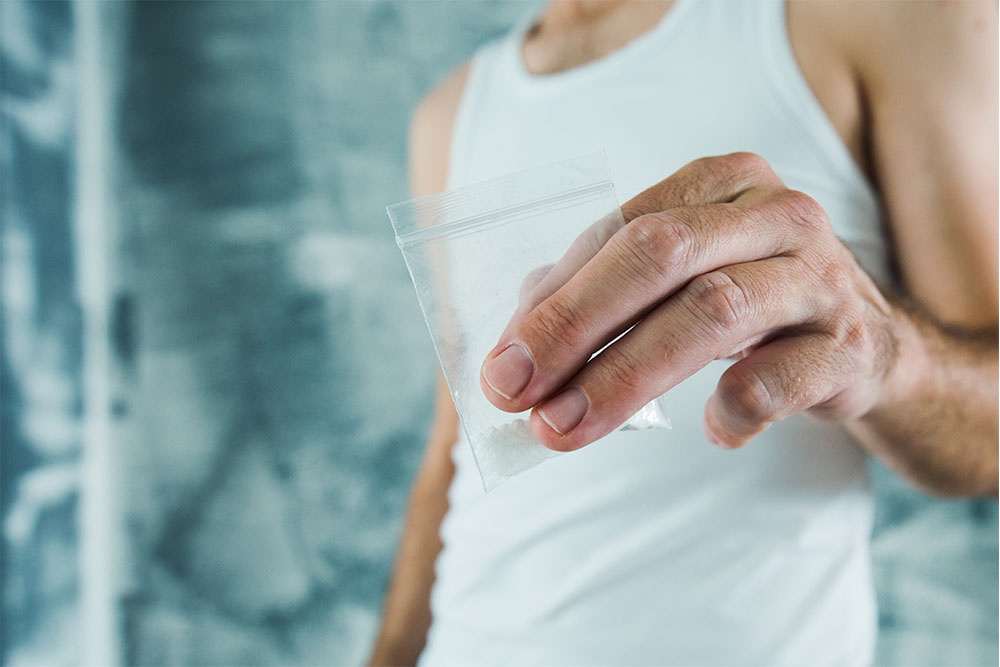
Differences Between Drug Possession vs. Intent to Sell
Criminal charges related to controlled substances have many technicalities. At times, making sense of the differences between various drug charges can be difficult, specifically when it comes to determining and proving the type of offense committed. Here, we will help you understand the key differences between simple possession and possession with the intent to sell and the consequences of these crimes.
What is Simple Drug Possession?
Simple drug possession in Philadelphia can be declared in Pennsylvania if the defendant knowingly and/or intentionally possessed a controlled substance that they are neither licensed nor registered to possess. In these cases, it is assumed the drugs are intended for personal use.
What is Possession with Intent (PWID)?
Possession with intent to sell/deliver/distribute (PWID) can be charged if the defendant is proven to have the mental intent to sell or distribute the controlled substance that was in their possession
Differences Between Simple Possession and PWID
Amount of Drugs
In general, having a certain amount of a controlled substance in one’s possession is grounds for an arresting officer to charge the offender with PWID. The threshold to determine this varies by substance, but generally, if the offender could not reasonably consume the amount of drugs found in their possession, the offender would be charged with PWID, as opposed to simple possession.
Conditions of Charges
The conditions of one’s arrest also impact whether or not one is charged with PWID versus simple possession.
- If one is caught in the act of selling a controlled substance, one will be charged with PWID.
- If one is caught with a specific amount of a controlled substance (this amount varies by drug), one will be charged with PWID.
- If one is proven to have had the mental intent to sell the substance, one will be charged with PWID.
If none of these conditions are met, but one is still found to be in the possession of controlled substances, a defendant will most likely be charged with simple possession.
Consequences of Drug Possession
The consequences one may face when charged with simple possession varies across PWID charges.
- In most cases, simple possession is a misdemeanor, whereas PWID is a felony in Pennsylvania. The different types of crime result in different penalties with a felony charge having larger fines and longer jail time than a misdemeanor.
- Additionally, the more drugs a defendant has in their possession, the more severe the consequences may be. The quantity of the controlled substance and the prison time and/or fines one faces for the charge are directly proportional in most cases.
- Finally, the type of drug influences the severity of the sentence. For example, LSD and heroin are Schedule I drugs in Pennsylvania. Simple possession or PWID of Schedule I drugs will lead to a harsher punishment—usually found in the form of a larger fine or more jail time—than simple possession or PWID of Schedule III drugs, such as Vicodin and ketamine. Ultimately, the lower the Schedule number, the more severe the punishments will be for all drug-related offenses in Pennsylvania.
If you or someone you know is facing a simple possession or PWID charge, securing the aid of experienced criminal defense attorneys is the first step towards gaining control of the situation. Contact us today for a free consultation.
Read More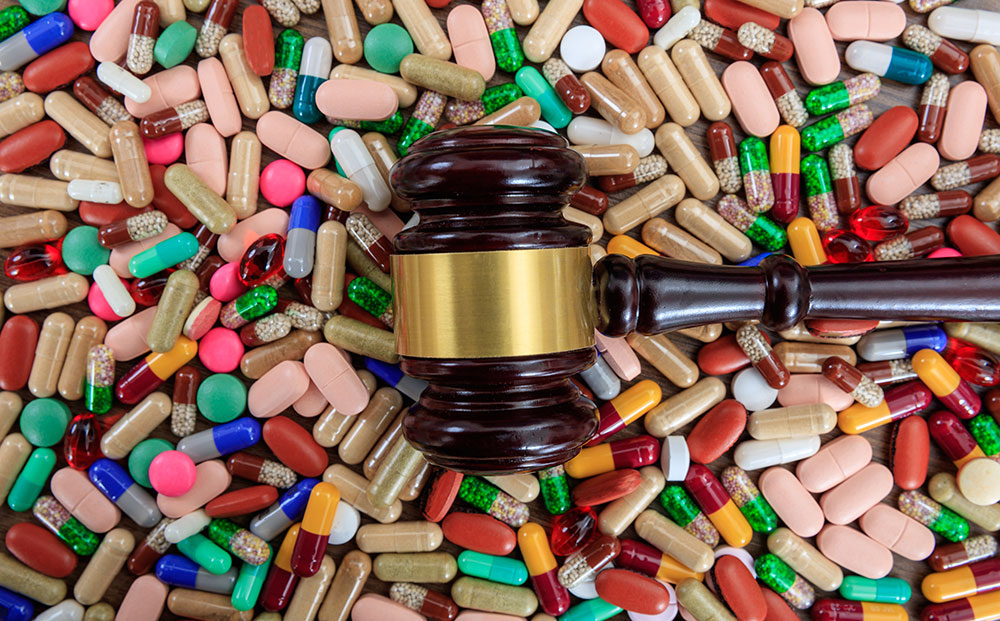
What are the Effects of Marijuana Decriminalization?
Many cities have taken a major step toward criminal justice reform: decriminalizing marijuana. As an offense that once involved 30 days in jail & a $500 fine, the amendment has had a big impact on many Pennsylvania residents, now warranting only a citation and small fine of $25. So can you still get arrested on possession charges? Here’s what you need to know about the effects of marijuana decriminalization.
The Process of Decriminalization
It’s important to note that “decriminalization” does not mean a crime is now legal. The term instead defines a crime once punishable by incarceration as now a civil offense, punishable by citations, fines, and/or community service.
With a population of over 1.5 million, marijuana decriminalization in Philadelphia became the largest city in the country to remove criminal charges for marijuana possession of up to 30 grams. As a result, arrests have dropped and other cities across PA have started to follow our lead. Some of these cities include:
- Allentown: ≤30 grams, $25 fine
- Harrisburg: ≤30 grams, $75 – $150 fine
- Lancaster: ≤1 ounce, $25 – $75 fine
- Pittsburgh: ≤30 grams, $25 fine
- York: ≤30 grams, $100 fine
The New Marijuana Law & Penalties
In April of 2016, Governor Wolf signed into law the use of marijuana for medical purposes as legal. As expected, it took the PA Department of Health between 18-24 months to get the program up and running successfully, and in early 2018, medical marijuana became available at approved dispensaries for certain approved medical conditions, some of which include:
- Anxiety disorders
- Autism
- Crohn’s disease
- Epilepsy
- HIV/AIDS
- Multiple sclerosis
- Parkinson’s disease
- Sickle cell anemia
- Tourette syndrome
For a complete list of approved medical conditions, visit the Commonwealth of PA’s website.
If caught in possession of 30 grams or less of marijuana without a medical marijuana ID card, you will now be penalized with a citation and $25 fine, while smoking in public will result in a $100 fine and a citation or 9 hours of community service.
But it’s important to note that the decriminalization only covers so much. For example, if you are in possession of over 30 grams of marijuana, you will face jail time and a fine of $5,000. The sale and distribution of marijuana are still considered a criminal offense despite the reform as well, even if the sale is under 30 grams. And if you are stopped by an officer for smoking in public, and cannot provide any form of identification, the officer is permitted to place you under arrest and confiscate the marijuana in your possession.
How our Criminal Defense Attorneys Can Help
Marijuana is still considered a controlled substance and buying it from an unlawful source remains a stand-alone crime in Pennsylvania. You will be arrested, regardless of the quantity. First-time offenders are still eligible for probation, but courts can actually double the penalties, with the possibility of additionally charging for intent to distribute.
The recent decriminalization law shouldn’t make you careless about marijuana possession and the related consequences. If you or a family member has been charged, make sure you have the knowledge and experience of a criminal defense attorney advising you throughout the process. Contact us immediately to discuss your case and start gathering evidence in your defense.
Read More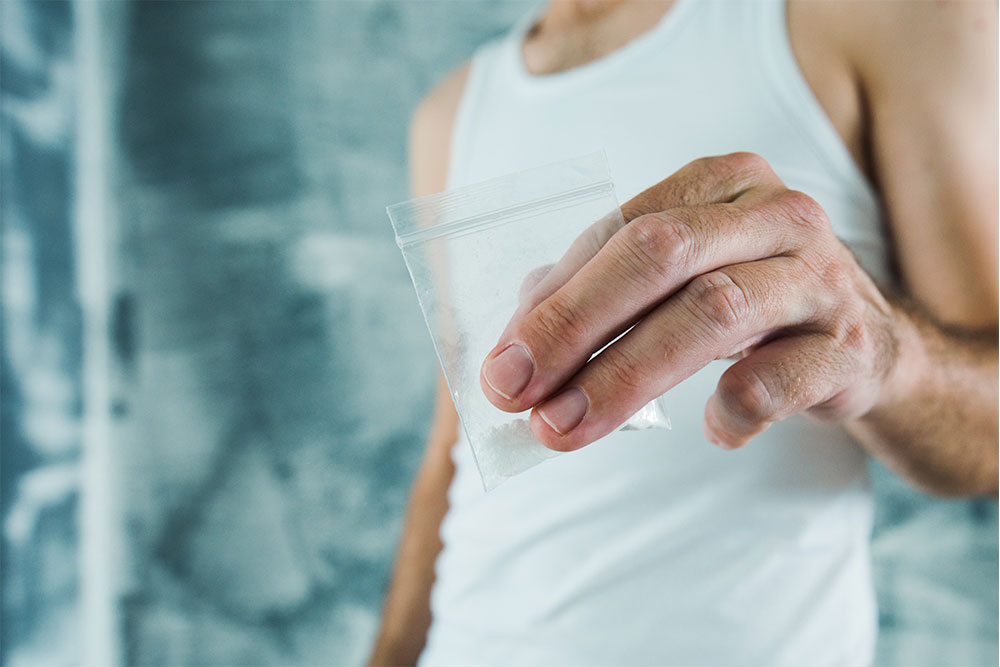
What Types of Drug Charges are the Most Severe in Pennsylvania?
Penalties for drug possession in Pennsylvania are some of the toughest in the country. Despite more and more states decriminalizing certain drug offenses, a conviction for possession or intent to distribute in cities across our state offer severe consequences. While these charges vary on the type of drug and the circumstances of the possession, it’s important to consult an experienced drug charge defense lawyer to help you understand what’s at risk based on what types of drug charges are the most severe in Pennsylvania.
Common Drug Charges in Pennsylvania
While there are a number of different drug offenses within PA, the most common involve heroin, cocaine, and marijuana. The primary concern for law enforcement is stopping the trafficking of these substances, but charges for possession even without intent aren’t taken lightly either.
Since these drugs are all very different in their purpose and effects, they are penalized in different ways. Pennsylvania and federal law divide controlled substances into “schedules,” based on their potential for abuse and therapeutic value. Below are a few examples:
Schedule 1:
Drugs that have a very high potential for addiction and abuse with no medical purposes. (Over 100 drugs are on the official list)
- Ecstasy
- GHB
- LSD
- Marijuana
- Heroin
Schedule 2:
Drugs that may create “severe psychological or physical dependence,” but unlike Schedule 1, contain substances prescribed for medical use.
- Cocaine
- Morphine
- Opium
- PCP
- Methamphetamines
Schedule 3:
Drugs that may result in physical dependence or psychological dependence, but in general, have less potential for abuse than Schedule 1 & 2 and are often prescribed medically.
- Vicodin
- Anabolic steroids
- Xanax
- Ketamine
- Codeine & Hydrocodone products mixed with aspirin or Tylenol
Schedule 4:
Drugs that offer very limited possibility of becoming physically or psychologically dependent and are often prescribed medically.
- Alprazolam
- Clonzaepam (Klonpin, Valpax, etc.)
- Valium
Schedule 5:
Drugs that have very little risk of addiction and are prescribed medications. These drugs may sometimes be higher scheduled drugs in lower amounts.
- Cough medicines (with codeine)
- Zolpidem (Ambien, Stillnox, Zolpimist)
Pennsylvania Drug Charges & Penalties
Pennsylvania drug penalties are fairly straightforward: there are two basic misdemeanors – carrying up to one year in jail and/or a fine of up to $5,000 – and three felonies – Felony Possession with Intent (Drug Trafficking), Felony Possession with Intent To Deliver (PWID), and Unlawful Manufacturing. Depending on the Schedule in which the drug falls under, these charges can result in up to 15 years imprisonment and fines of up to $250,000 per count.
Marijuana Laws
Marijuana is still illegal in PA, so intentionally or knowingly having it within your possession can result in serious charges. These penalties will depend on the amount you are caught with at the time of your arrest, as well as whether or not you have been convicted in the past. For example, 30 grams or more could result in a maximum of one year sentence and $5,000 in fees, while the same amount as a third offense ups the potential jail time to 3 years.
Cocaine Laws
Weight is used to determine the severity of a drug charge involving cocaine. For example, less than 2 grams could result in one-year jail sentence and $5,000 in fines, while 2 to 10 grams of cocaine could receive a minimum 2-year sentence. You’ll also lose your driver’s license for 6 months to 2 years, depending on how many offenses are on your record.
It’s important to note that federal offenses for possession and trafficking may be much more severe depending on the circumstances of your arrest.
Heroin Laws
Heroin is considered the most dangerous of the Schedule 1 drugs listed above, and so is charged as such. In Pennsylvania, possession of 1 to 5 grams is a mandatory minimum 2-year sentence, largely due to the fact that there is no accepted medical use for heroin in PA.
There may also be programs you could be required to attend which provide rehabilitation to first-time offenders in an attempt to prevent a future offense.
IF you or someone you know if facing a serious drug offense, our dedicated team of criminal defense attorneys are here to help. With experience in all types of drug charges over the last 25 years in Pennsylvania and New Jersey, we’ll fight aggressively to minimize your penalties and protect your freedoms. Contact us today for a free consultation.
Read More